

Every privately rented home in England and Wales covered by the minimum energy efficiency rules will need to reach EPC band C by 1 October 2030, and work a landlord has done since 1 October 2025 can count towards it. The government set out its final policy in January, in its response to the 2025 consultation. The regulations still need Parliamentary approval, and the government's stated aim is for them to come into force in 2027.
For now, the minimum remains band E. Under the current gov.uk guidance, last updated in May, a landlord must not let or continue to let a property rated below E unless a valid exemption is registered, need not spend more than £3,500 including VAT, and faces penalties of up to £5,000 per property.
What has been confirmed
- One deadline. All tenancies in scope must comply by 1 October 2030. The government's response states that there will not be an earlier compliance date for new tenancies.
- New measures of performance. Compliance will be judged on reformed EPCs. The primary standard is a fabric performance metric; landlords then meet either a heating system standard or a smart readiness standard, at their choice. Landlords will have to commission a new-style EPC before works and another afterwards.
- A higher spending cap. Landlords will be required to invest up to £10,000 per property. Spending on relevant measures installed since 1 October 2025 counts, as does third-party funding other than Boiler Upgrade Scheme grants. The government estimates average spending of about £5,400 for homes below the standard.
- Longer exemptions. The cost cap exemption, for homes that still fall short after spending up to the cap, will last ten years rather than five.
- Credit for good ratings now. A home rated C or above under the current rating before 1 October 2029 will be treated as compliant until that EPC expires or is replaced.
- Higher penalties. The maximum penalty is to rise to £30,000 per property per breach, which requires primary legislation.
Why period London property needs an early look
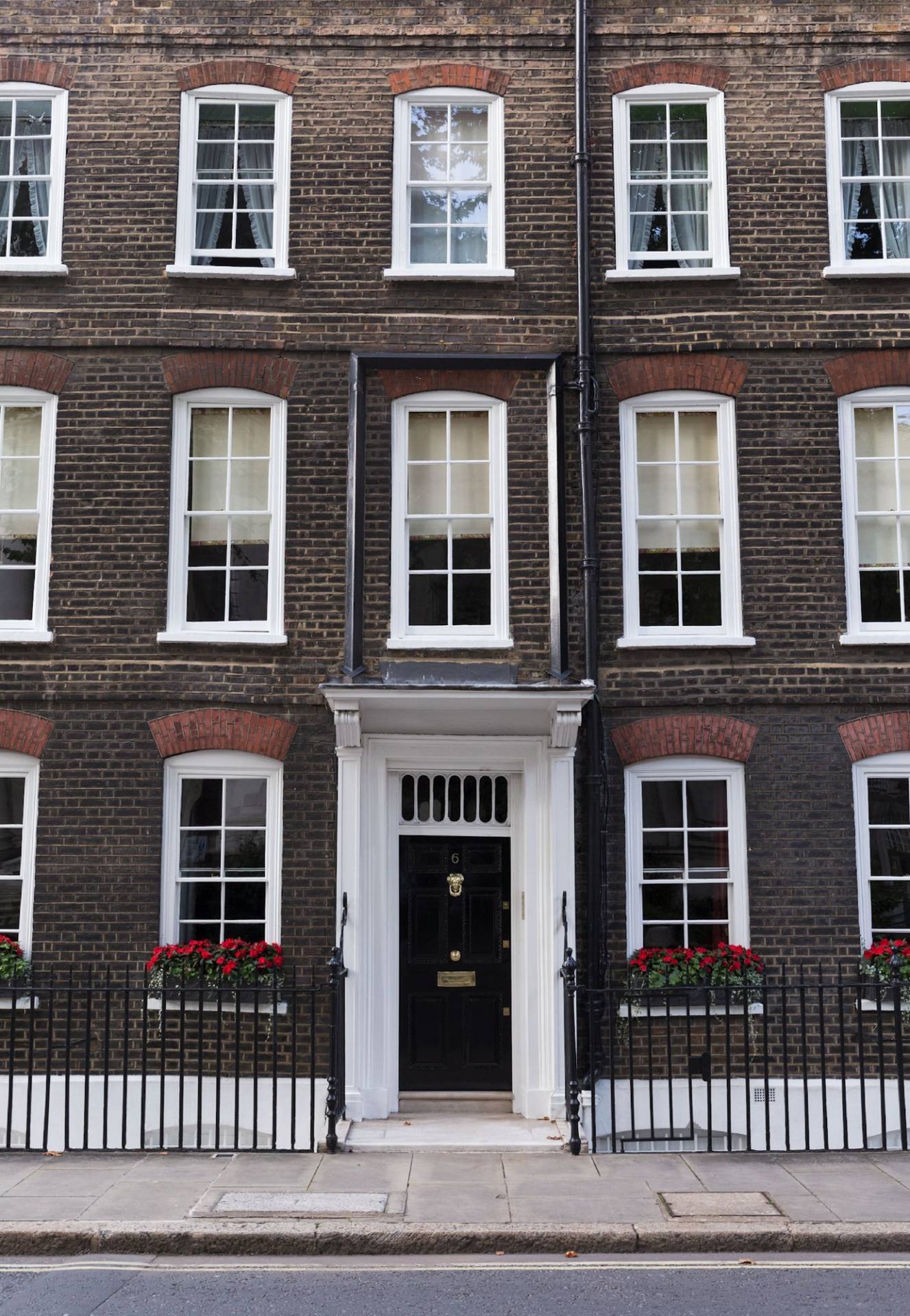
Much of prime London's rental stock sits in listed buildings, conservation areas and mansion blocks, where the obvious improvements are not always possible. Government guidance has long been clear that listed buildings and homes in conservation areas are not automatically exempt: where an EPC is legally required, the property is within the standard and must either meet it or carry a registered exemption.
Two practical points follow. First, works such as secondary glazing, insulation or a new heating system may need listed building consent, planning permission or a freeholder's licence, and each takes time. The existing regime already allows an exemption where a required third-party consent is refused, but an exemption has to be evidenced and registered, not assumed. Second, in a mansion block the landlord of a flat controls only part of the fabric; anything touching the external walls, windows or communal heating is likely to need the freeholder.
The English Housing Survey for 2024, published in January, found that about half of privately rented homes in England were in band C or above, with 37% in band D and 9% in band E. Across all tenures in London, 59% of homes were rated A to C.
Which lettings are in scope
The current regulations apply to homes let on assured tenancies, including assured shorthold tenancies, regulated tenancies and certain agricultural tenancies, and only where the property is legally required to have an EPC. Short-term lets are not within the new standard at this time, although the government says the position remains under review.
As we noted in a recent article, a letting at more than £100,000 a year, or one to a company, cannot be an assured tenancy under the Housing Act 1988. On the face of the definitions, such lettings would sit outside the minimum standard, which matters in prime London where both are common. The position of a particular tenancy should be checked with a solicitor rather than assumed.
A sensible order of work
- Check the current EPC for each property, its rating and its expiry date.
- Keep invoices for any energy efficiency work carried out since 1 October 2025, since that spending may count towards the cap.
- For listed or leasehold properties, find out early which works need consent and from whom.
- Plan works for the gaps between tenancies rather than around a tenant in occupation.
- Watch for the regulations and guidance, which the government says will be published before the rules come into force.
None of this is legal advice, and the detail may still change as the regulations pass through Parliament.
Dolce Vita handles lettings and sales across the UK from Mayfair, and helps clients buy abroad through partner agencies. If you would like your rent and compliance position reviewed, Request a lettings valuation; we acknowledge the same working day and return a written valuation within 24 to 48 hours.
Chris Dawson, Co-Founder
Sources: DESNZ, "Improving the energy performance of privately rented homes: government response" (gov.uk, January 2026). gov.uk, "Domestic private rented property: minimum energy efficiency standard - landlord guidance", updated 5 May 2026. BEIS, "The domestic private rented property minimum standard: landlord guidance" (2020). MHCLG, English Housing Survey 2024 to 2025, chapter 2: energy efficiency, 29 January 2026. Housing Act 1988, section 1 and Schedule 1 (legislation.gov.uk).