
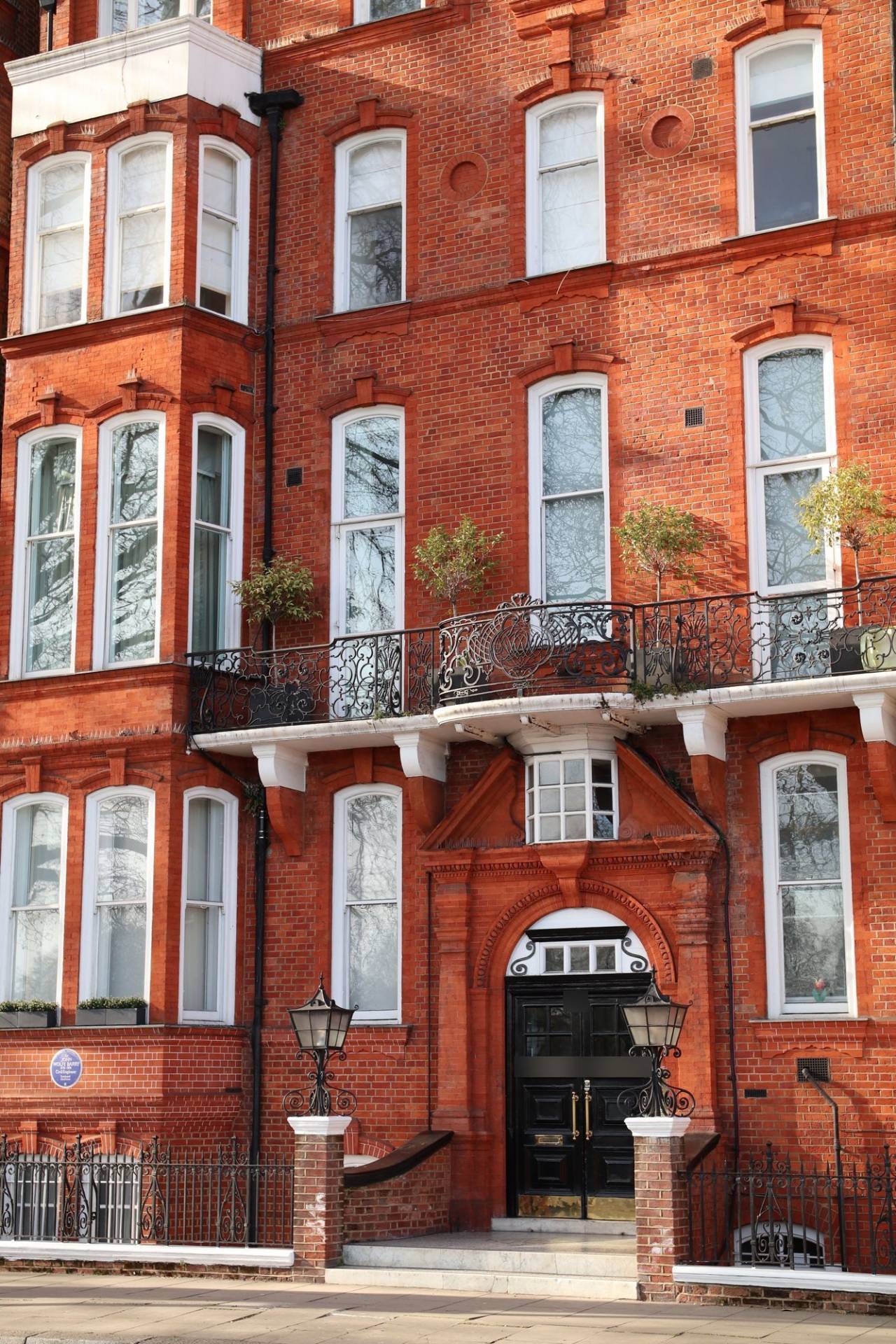
Buying a listed house in London means taking on legal duties as well as a period home: any alteration that affects its special character needs listed building consent, and responsibility for unauthorised works carried out by earlier owners can pass to the buyer. For anyone planning a new kitchen, a rearranged floor plan or a basement, those duties shape the price worth paying.
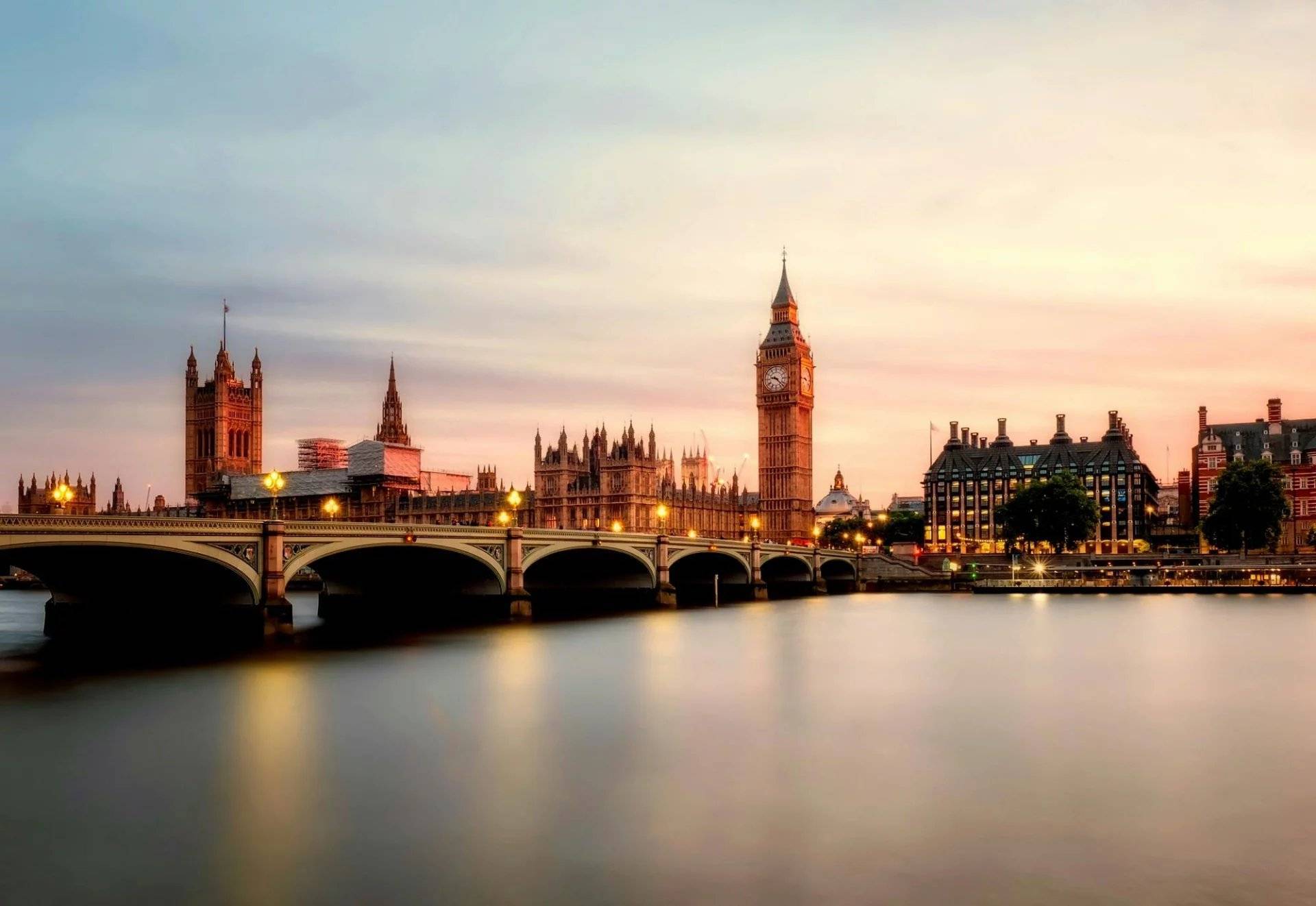
They are also common. Westminster alone has 56 conservation areas, and much of Belgravia, Mayfair, Marylebone, Chelsea, Kensington and Hampstead is made up of Georgian and Victorian houses that are either listed or protected by conservation area controls.
What listing means
Listed buildings are graded. On Historic England's figures, 2.5% of listed buildings are Grade I, 5.8% Grade II* and 91.7% Grade II, which is where most listed homes in London sit. Grade II is the lowest grade, but the legal protection is the same in kind: listing covers the whole building, inside as well as out, not only the facade.
Under section 7 of the Planning (Listed Buildings and Conservation Areas) Act 1990, works to demolish, alter or extend a listed building in a way that affects its character as a building of special architectural or historic interest need consent. Carrying out such works without it is a criminal offence under section 9, punishable on conviction on indictment by up to two years' imprisonment, a fine or both. Like-for-like repairs do not usually need consent, but the line between repair and alteration is for the council's conservation officer, not the owner, to judge.
Conservation areas add a second layer. Westminster City Council notes that within them, planning permission is needed to demolish a building, some works that would elsewhere be permitted need permission, Article 4 directions remove further rights in some areas, and six weeks' notice must be given before pruning or felling a tree.
Before you make an offer
- Read the list entry. The National Heritage List for England can be searched online free of charge. The entry describes the building and its grade, though not every protected feature is mentioned in it.
- Ask for the consents. The seller should be able to produce listed building consents and approved drawings for past works. The council's online planning history shows what has been applied for and granted.
- Compare the house with the paperwork. A new staircase, a removed wall or replaced windows with no consent behind them are warning signs. Councils such as Somerset's state plainly that liability for putting right unauthorised alterations passes to the new owner.
- Test your plans early. If the price only makes sense with a particular change, take advice from a heritage architect or planning consultant before exchanging contracts, not after.
Surveys and specialist advice
The Royal Institution of Chartered Surveyors recommends its most detailed survey, the Level 3 Home Survey, for large or older properties, for buildings that are unusual or have been altered, and where major works are planned. Most listed London houses meet at least one of those tests. A surveyor with experience of historic buildings is better placed to distinguish original fabric from later alteration, and to spot problems such as damp caused by modern materials on old walls.
Your solicitor should raise specific enquiries about consents and any enforcement correspondence with the council, and check whether the property sits in a conservation area or is subject to an Article 4 direction.
Costs and timing of works
Two points catch buyers out. First, VAT: since 1 October 2012, approved alterations to listed buildings no longer qualify for zero-rating, so most building work on them carries VAT at the standard rate, as HMRC's guidance confirms. Second, time: works that need consent cannot start until it is granted, and a programme that would take months in an unlisted house can take considerably longer once design, consultation and approval are included.
Neither is a reason to avoid a listed home. They are a reason to price the works, the consents and the time into an offer, and to treat a house that has already been carefully and lawfully restored as worth a premium over one that has not.
For buyers from overseas
The rules apply to every owner, wherever they live. Buyers based abroad often rely on others to manage works, which makes it more important that architects and contractors understand the consent regime. Stamp duty, including the surcharges for buyers who are not UK resident or who own another home, is covered in an earlier article. None of this is legal or tax advice.
Dolce Vita advises buyers and sellers across the UK from Mayfair, handles lettings, and helps clients buy abroad through partner agencies. If you are selling in order to buy, Request a valuation; we acknowledge the same working day and return a written valuation within 24 to 48 hours.
Chris Dawson, Co-Founder
Sources: Planning (Listed Buildings and Conservation Areas) Act 1990, sections 7 and 9 (legislation.gov.uk). Historic England listing grades, as published by Plymouth City Council, "How buildings get listed". Westminster City Council, "Conservation areas" (westminster.gov.uk). Somerset Council, "Unauthorised works to listed buildings" (somerset.gov.uk). RICS, "House surveys UK: the costs, types and benefits of an RICS home survey" (rics.org, 2026). HMRC, VAT Construction Manual, VCONST08910, changes introduced on 1 October 2012 (gov.uk). All checked on 2 November 2026.